
Pigeons, Rats or Other Pests in Your Roof? A Roofer Explains What It Means and How to Stop It
Over the years, I’ve lost count of how many homeowners have called me after hearing scratching in the loft, pigeons in the roof, or strange noises they can’t quite explain.
In most cases, people assume they’ve got a pest problem. But in reality, the pests are usually just the symptom.
What we nearly always find is a small defect in the roof… a slipped tile, damaged ridge, broken soffit, or gap in the roofline… that has allowed animals to get inside. Once they’re in, the situation can escalate far more quickly than most homeowners expect.
It’s important to say upfront that we don’t remove pests from roofs. That must be handled by a qualified pest control specialist before we can safely carry out any roofing repairs. What we do is identify how they got in, assess the damage, and permanently repair the roof so it doesn’t happen again. That distinction matters more than most people realise.
Because by the time we’re involved, the real issue is rarely just the animal, it’s everything the animal has done inside the roof space.
One roof I’ll never forget
One job has stayed with me more than most. We were called out to a property in Kent where the homeowner believed she had a single pigeon in the loft. She’d heard noises for a while but assumed it wasn’t urgent.
When she finally decided to investigate, the reality was very different. Instead of one bird, there were hundreds of pigeons inside the roof space.
The loft had become a nesting site over time, with droppings, feathers and nesting material spread throughout the insulation. The contamination meant the area wasn’t safe to work in, and before we could even consider roof repairs, pest control specialists had to be brought in to deal with the infestation and make the space safe.
What might have started as a relatively small roof repair ended up becoming a much larger clean-up and restoration job costing well over £1,000 once everything was included.
It’s an extreme example, but the process behind it is something we see far more often than people think.
A small entry point is left unattended… animals find it… and over time, the problem compounds.
How do pests get into a roof?
It’s always surprising how much space animals actually need to get inside a roof. It’s typically very little.
Common entry points include:
- Slipped or missing roof tiles
- Damaged ridge tiles
- Cracked or deteriorated soffits
- Broken fascia boards
- Torn roofing felt
- Gaps around pipework or roof penetrations
- Damaged flashing around chimneys
- Loose verge mortar or open roof edges
From ground level, these issues often look minor or go unnoticed entirely. But to a pigeon, rat or squirrel, they are effectively an open door into a warm, sheltered space.
Once inside, the roof void becomes an ideal nesting environment – quiet, dry and protected from predators.
Which roofs are most vulnerable to pest entry?
In my experience, pests don’t target specific types of homes, they target weaknesses. That said, certain properties are more likely to develop roof issues that allow entry:
- Older homes with ageing mortar, tiles or timber
- Properties surrounded by mature trees (squirrels especially)
- Homes in urban areas with large pigeon populations
- Roofs that have suffered storm or wind damage
- Properties where previous repairs haven’t fully sealed the roofline
- Houses with ageing soffits, fascias or ventilation points
Even newer roofs aren’t immune. High winds, seasonal weather and general wear can create small defects that aren’t visible from the ground but are still large enough for wildlife to exploit.
The key point is simple… pests are not breaking in. They are entering through pre-existing weaknesses.
The most common pests we find in roofs
Different animals cause different types of damage, and recognising the signs early can make a significant difference to the cost and complexity of repairs.
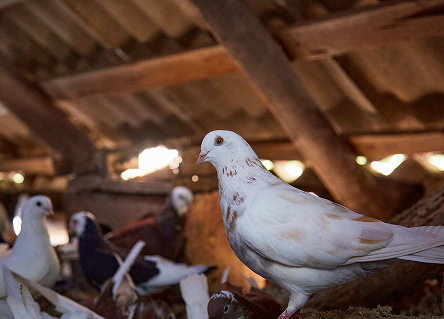

Pigeons in the roof
Pigeons are one of the most common issues we see, particularly in towns and suburban areas. Once they find access to a roof space, they tend to return repeatedly. Over time, they build nests and leave behind droppings that can quickly build up.
This isn’t just unpleasant, it can damage insulation, block ventilation and create contamination that must be removed before any roofing work can begin.
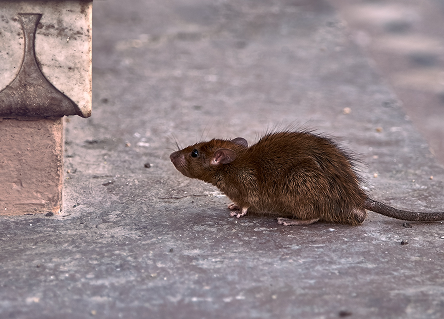

Rats in the roof
If you’re hearing scratching or movement at night, rats are often a likely cause. Rats are persistent and destructive. They chew constantly, which means timber, insulation, roofing felt and even electrical wiring can all be at risk.
They also leave contamination behind, which is why pest control must always be carried out before we can safely access and repair the roof.
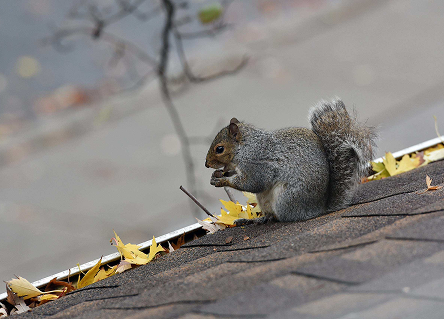

Squirrels in the roof
Squirrels are often underestimated. Most people see them as harmless garden animals, but inside a roof space they can cause significant damage.
I’ve seen squirrels chew through timber, insulation and electrical cables. In some cases, the physical damage they leave behind is more severe than what we typically see with rats.
They are strong, persistent and very capable of enlarging even small entry points.
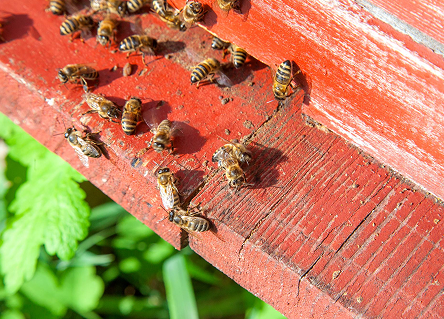

Bees nesting in the roof
Occasionally we’re called to properties where bees have nested within the roof structure. In these cases, roofing work cannot proceed until a specialist bee removal service has safely relocated the colony. Once that has been done, we can repair any damage and ensure the entry point is fully sealed.
Why pest control always needs to come first
This is one of the most misunderstood parts of the entire process. As roofers, we do not remove pests from roof spaces.
Before we can begin any repair work, a pest control specialist must attend the property to safely remove the animals and deal with any nesting or contamination. Only once this has been completed can we carry out roofing work safely and effectively.
There are several reasons for this:
- It is not safe or appropriate to trap animals inside a roof during repair work
- Active infestations can continue while repairs are underway
- Contaminated materials such as droppings and nesting must be removed first
- It allows us to properly assess the full extent of the damage once the space is clear
- It ensures any repair we carry out is permanent, not temporary
We often work alongside pest control professionals as part of a co-ordinated approach… they deal with the infestation, and we deal with the structural cause that allowed it in the first place. Without both steps, the problem is unlikely to be fully resolved.
How we identify roof entry points
When we inspect a roof after reports of pigeons in the roof, rats in the loft or squirrels in the roof space, we’re not just looking for obvious damage. We’re trying to understand the full pathway the animal used to get inside.
That typically involves checking:
- Ridge tiles for movement or cracking
- Verge edges and mortar condition
- Lead flashing around chimneys and roof junctions
- Roof valleys where water and debris collect
- Soffits and fascia boards for gaps or decay
- Ventilation points and roof openings
- Roofing felt visible from inside the loft
We also inspect the loft space where possible. Evidence inside the roof often tells the clearest story… nesting material, droppings, chewed insulation or daylight visible through gaps can all help pinpoint the exact entry point.
One thing that often surprises homeowners is just how little space some animals need. A rat can squeeze through a gap of around 2cm, while squirrels can get through an opening of about 4-5cm if they have something to grip onto. Pigeons obviously need more room, but a single slipped tile or a loose ridge tile can easily create an opening large enough for them to get into your roof space.
I’ve had customers tell me they couldn’t believe such a small gap was responsible for so much damage, but it’s something we see time and time again. Wildlife doesn’t need a large opening, it just needs an opportunity.
It’s not just the roof that suffers
Once pest control has made the area safe and we can access the roof properly, we often find the damage goes far beyond the entry point itself.
Bird droppings can contaminate insulation to the point where it needs replacing. Nesting material can block ventilation pathways, leading to condensation and long-term damp issues. Rodents may damage wiring, timber and insulation during movement through the roof space.
Even when structural damage is limited, contamination alone can significantly increase the scope of work required. This is why early intervention is so important. The longer animals remain in the roof, the more widespread the impact becomes.
How a small roof repair becomes a much bigger problem
A minor roof defect might cost as little as £50 to repair if caught early such as replacing a few tiles, fixing a ridge or sealing a small gap.
But once pests gain access, the situation changes. The overall cost can then include:
- Pest control attendance and removal
- Loft cleaning and sanitisation
- Replacement insulation
- Repair or replacement of roofing felt
- Timber repairs
- Soffit and fascia replacement
- Internal repairs caused by water ingress or contamination
What starts as a small roofing issue can easily become a four-figure job if left unattended for too long.
Five signs you may already have animals in your roof
If you notice any of the following, it’s worth arranging an inspection:
- Scratching, scurrying or flapping noises in the loft
- Pigeons repeatedly entering the same area of the roof
- Droppings around soffits, gutters or external walls
- Unusual smells coming from the loft space
- Signs of nesting material or insulation outside the property
The earlier the issue is identified, the easier it is to resolve.
Why summer isn't the only time you should worry
While many pest issues become more noticeable in warmer months, roof defects can cause problems year-round.
In spring and summer, birds and squirrels are actively nesting, meaning any gap in a roof is quickly exploited. In autumn, animals often seek sheltered spaces before colder weather arrives. In winter, weather conditions such as wind, rain and freeze-thaw cycles can worsen existing roof damage, turning small issues into larger entry points.
The reality is that roof maintenance should not be seasonal. Small defects rarely stay small for long.
Prevention is always cheaper than repair
One of the most consistent lessons from years of working on roofs is that early action always costs less than delayed action.
I usually recommend homeowners consider a roof inspection:
- After storms or high winds
- If tiles are found on the ground
- Before winter sets in
- If unusual noises are heard in the loft
- Before leaving a property empty for extended periods
Most inspections identify minor maintenance issues. Occasionally, we find something more serious, but almost always something that would have been far worse if left longer.
My Advice
After inspecting thousands of roofs, one thing remains consistent. It’s rarely the pest that causes the biggest problem. It’s the small gap that allowed it in.
If you suspect animals are entering your roof, or you’ve noticed early warning signs, it’s worth getting it checked sooner rather than later.
In most cases, the roofing repair itself is straightforward. It’s everything that happens after a small defect is left open that turns a minor issue into a major one.
