
Roof Lead Theft: The
Hidden Crime Costing
Property Owners
Thousands
When most people think about roof damage, they think about storms, leaks or old age.
What they don’t usually think about is theft.
But over the last few years, one issue we continue to see across Kent and South East London is criminals targeting lead on roofs. And the damage they leave behind is often far worse than the value of what they actually steal.
At McColloch Roofing, we’ve seen buildings left completely exposed after thieves ripped lead from roofs for scrap value. In some cases, the lead itself might only be worth a few hundred pounds. The repair bill afterwards? Well, that can easily run into tens of thousands.
What makes it even more frustrating is the recklessness involved. We’ve seen people scale six-storey buildings, hang over roof edges and cause catastrophic structural damage just to strip material they can sell quickly.
For property owners, particularly those managing vacant or commercial buildings, it’s becoming a very real risk.
Why Roof Lead Gets Targeted
Lead is still widely used in roofing because it’s durable, weather resistant and ideal for flashing around chimneys, valleys and roof joins.
The problem is that it also has scrap value.
That makes it attractive to opportunistic thieves.
Most of the lead theft cases we deal with tend to involve
- empty commercial buildings
- schools awaiting redevelopment
- churches or older buildings
- properties with easy roof access
- sites with low security or poor lighting
Once thieves gain access, they’ll often rip lead out as quickly as possible with very little concern for the damage caused. And that’s where the real cost begins.

The lead itself might only be worth a few hundred pounds, the damage afterwards can cost tens of thousands

Why Elderly Homeowners Are Being Targeted
The uncomfortable truth is that most of the serious cases we deal with involve elderly homeowners. Not because they’re unintelligent. Far from it.
One gentleman we recently helped had owned a GP surgery. Another lived in a six-bedroom property in Oxted and had clearly worked hard his entire life. These are not foolish people. But roofing scams prey on trust.
Most homeowners aren’t going to climb three storeys up scaffolding to inspect a roof. Many simply want to believe the person standing in front of them knows what they’re talking about. And once work has started, it becomes much harder psychologically to stop things.
Especially when somebody is standing there saying “If we don’t fix this now, the damage could get much worse.”
We’ve even seen situations where banks became concerned because vulnerable customers were repeatedly withdrawing large amounts of cash for builders. In one recent case, police were eventually called to remove a group of so-called roofers from a property after concerns were raised.
That’s how serious some of these situations are becoming.
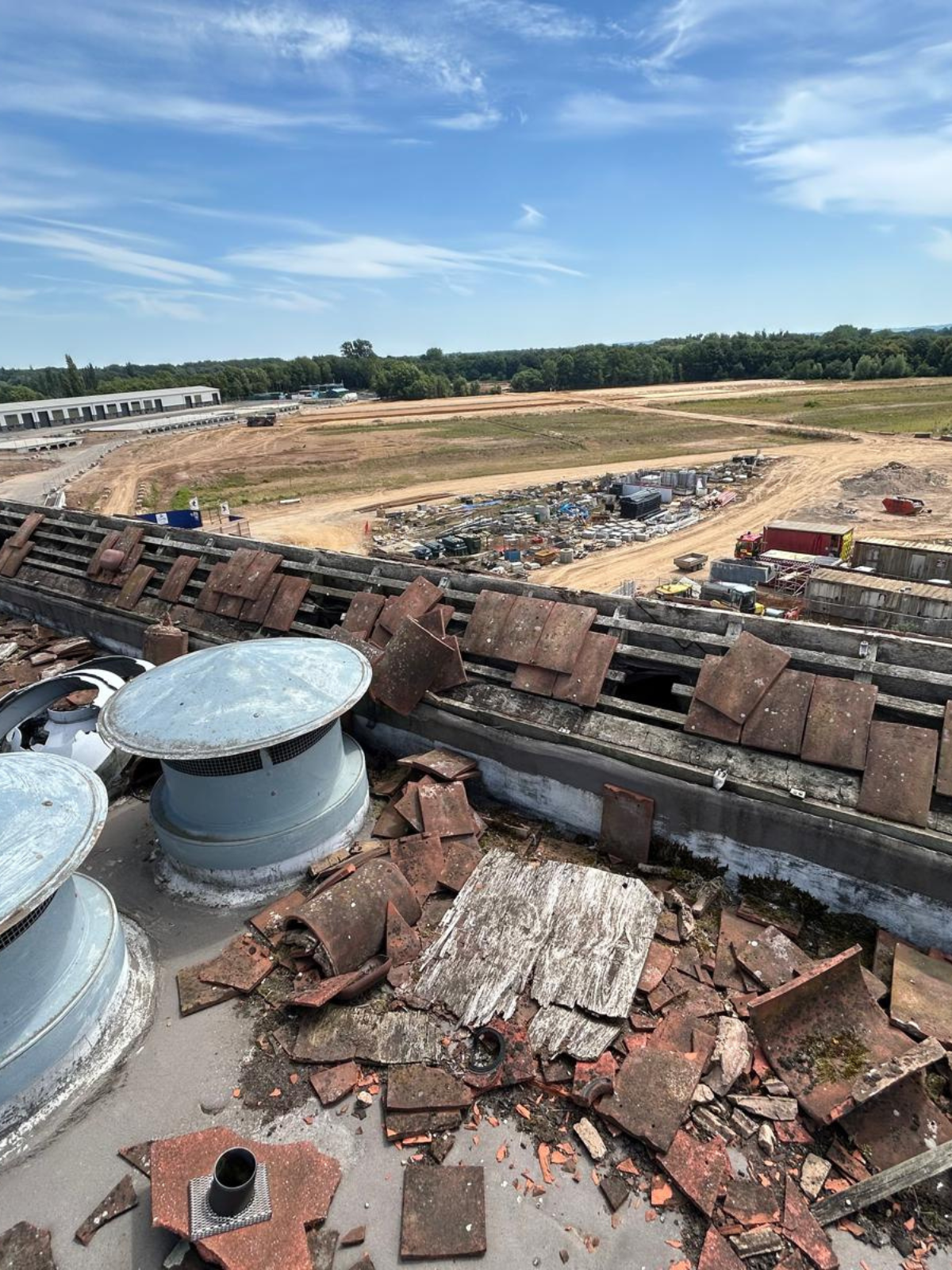
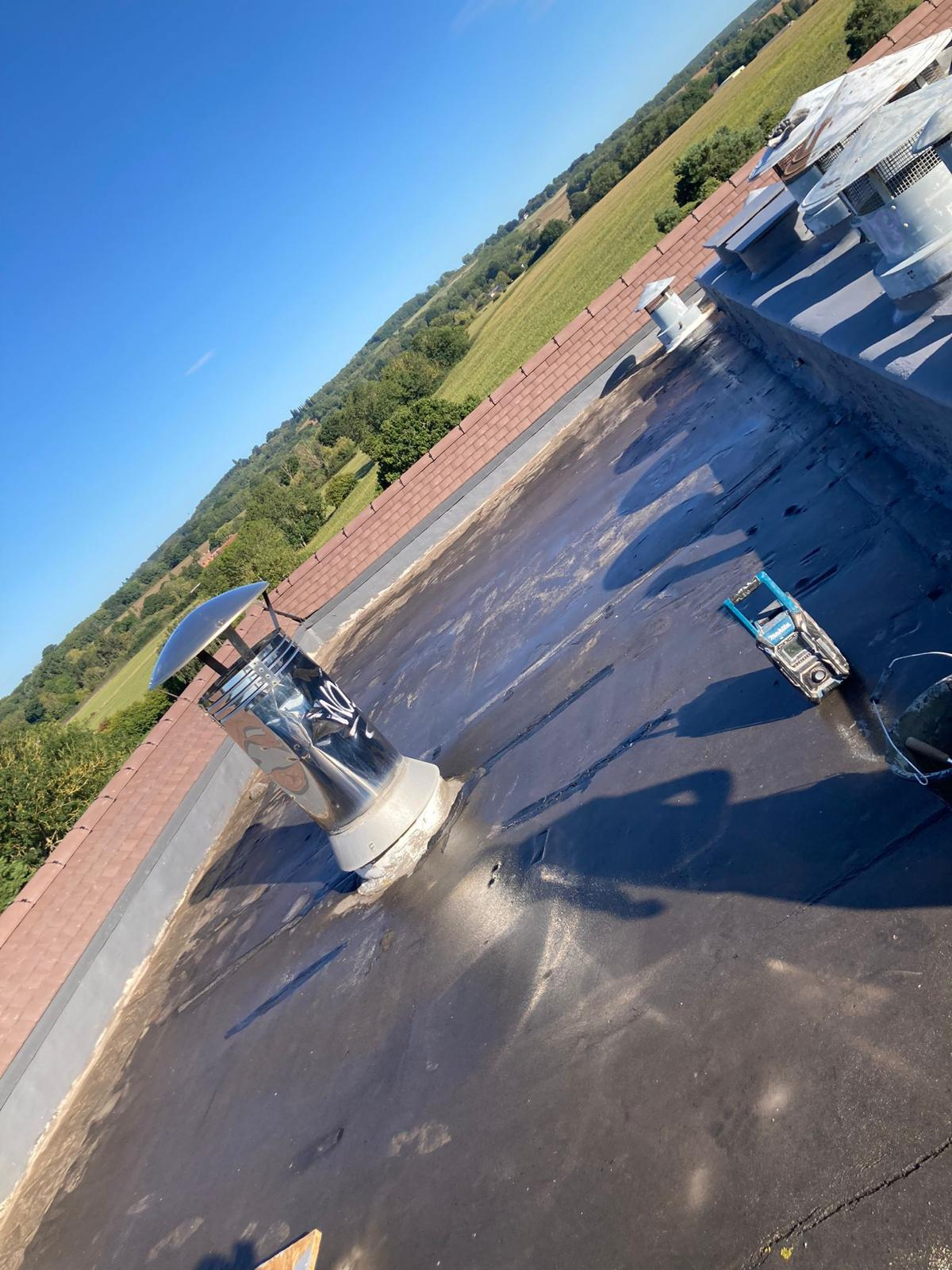
BEFORE
Case Study
The Maidstone Laboratory Building

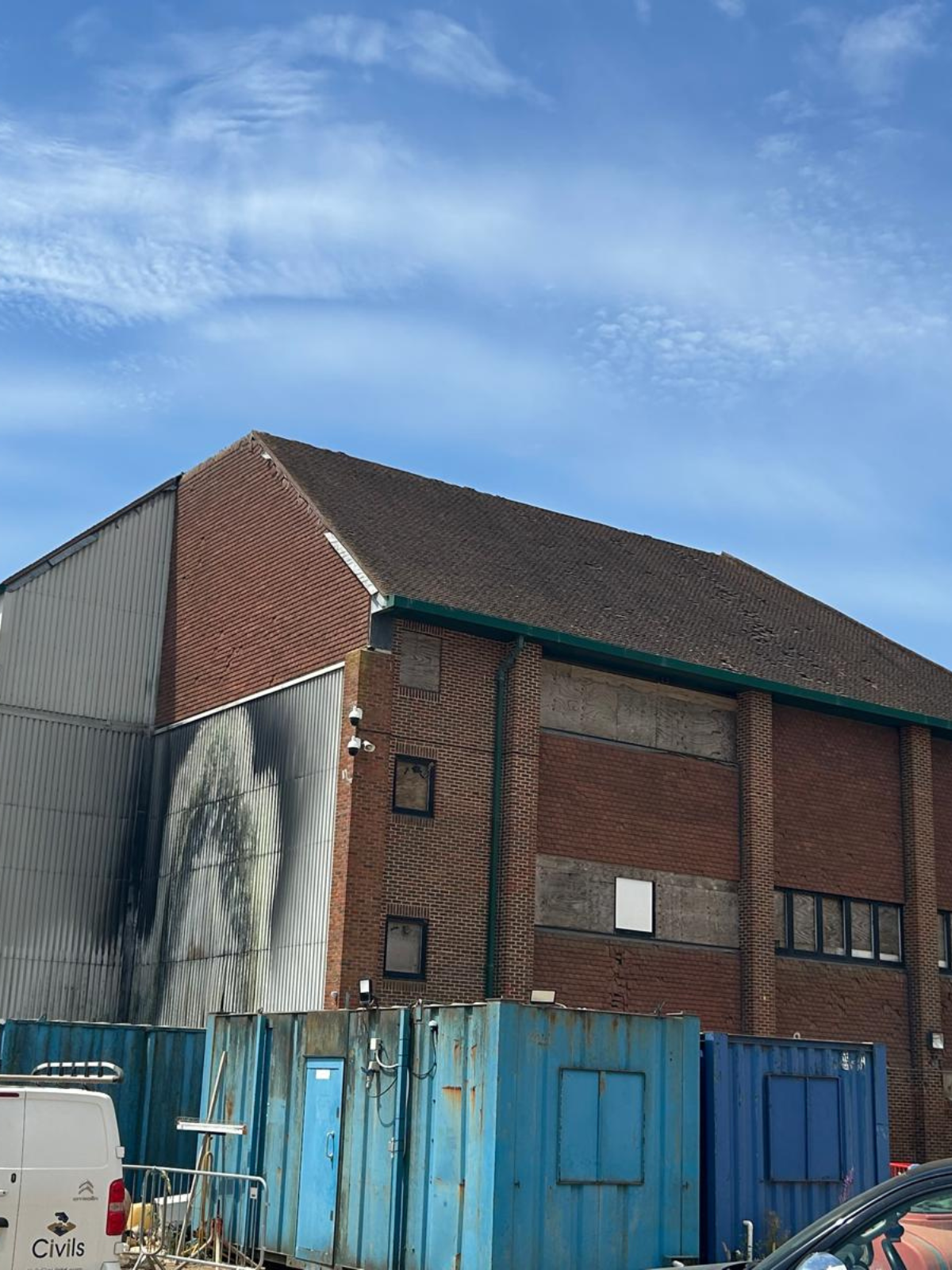
One of the worst lead theft jobs we’ve dealt with was in Yalding near Maidstone.
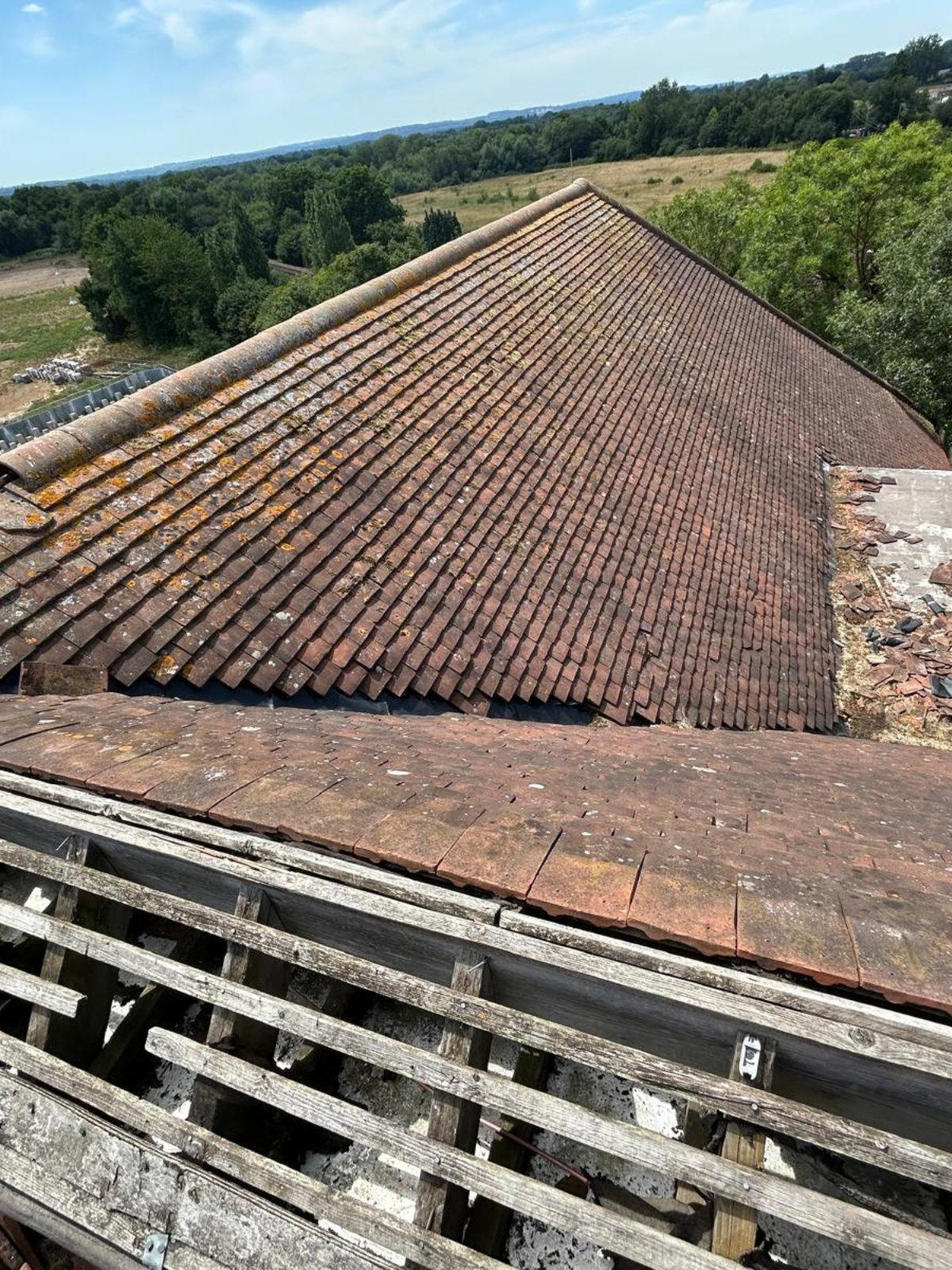
The property was an old laboratory building that was due to be converted into a school. Before redevelopment work could begin, the roof needed repairing after thieves broke in and stripped lead from multiple areas across the building.
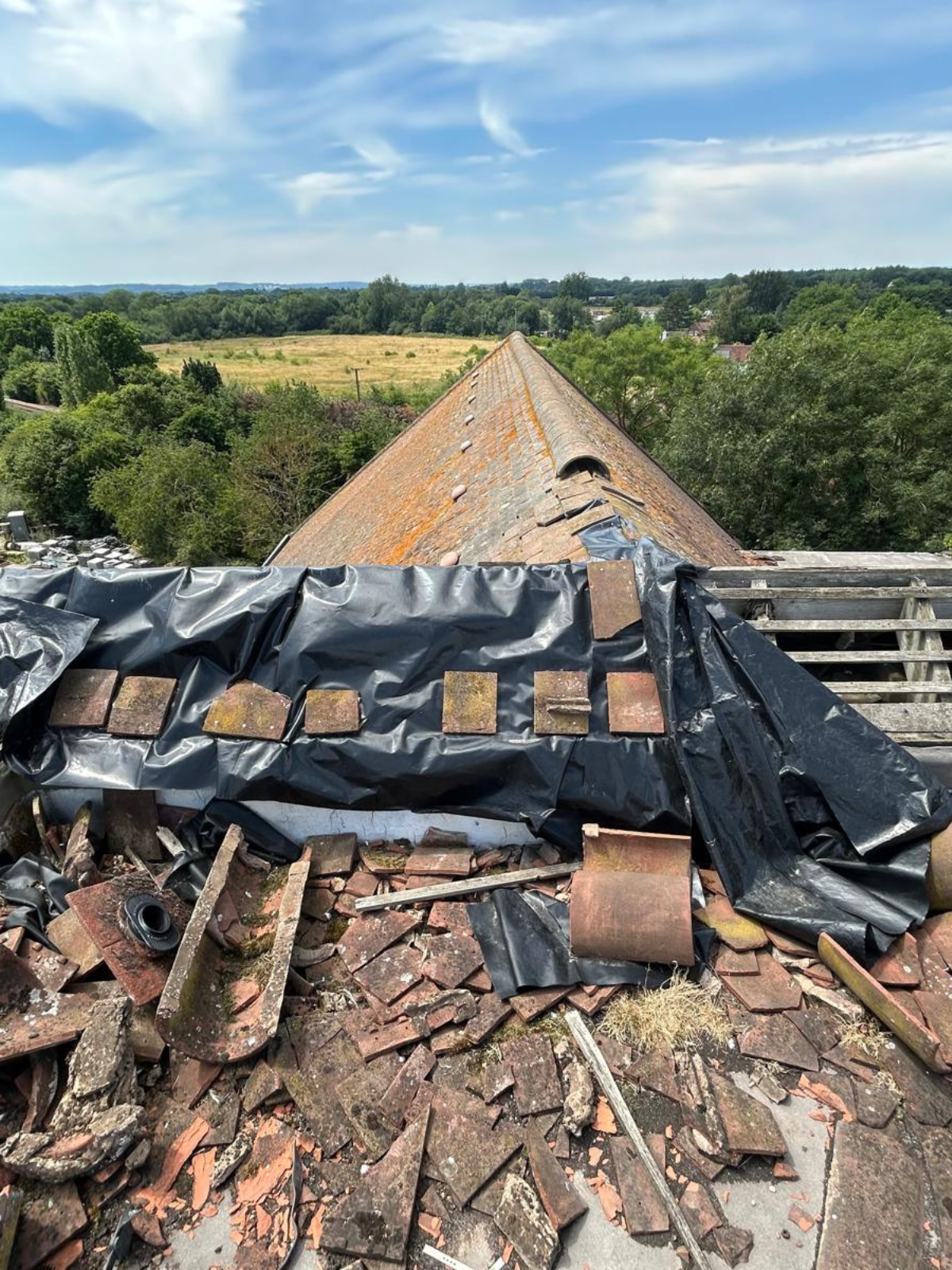
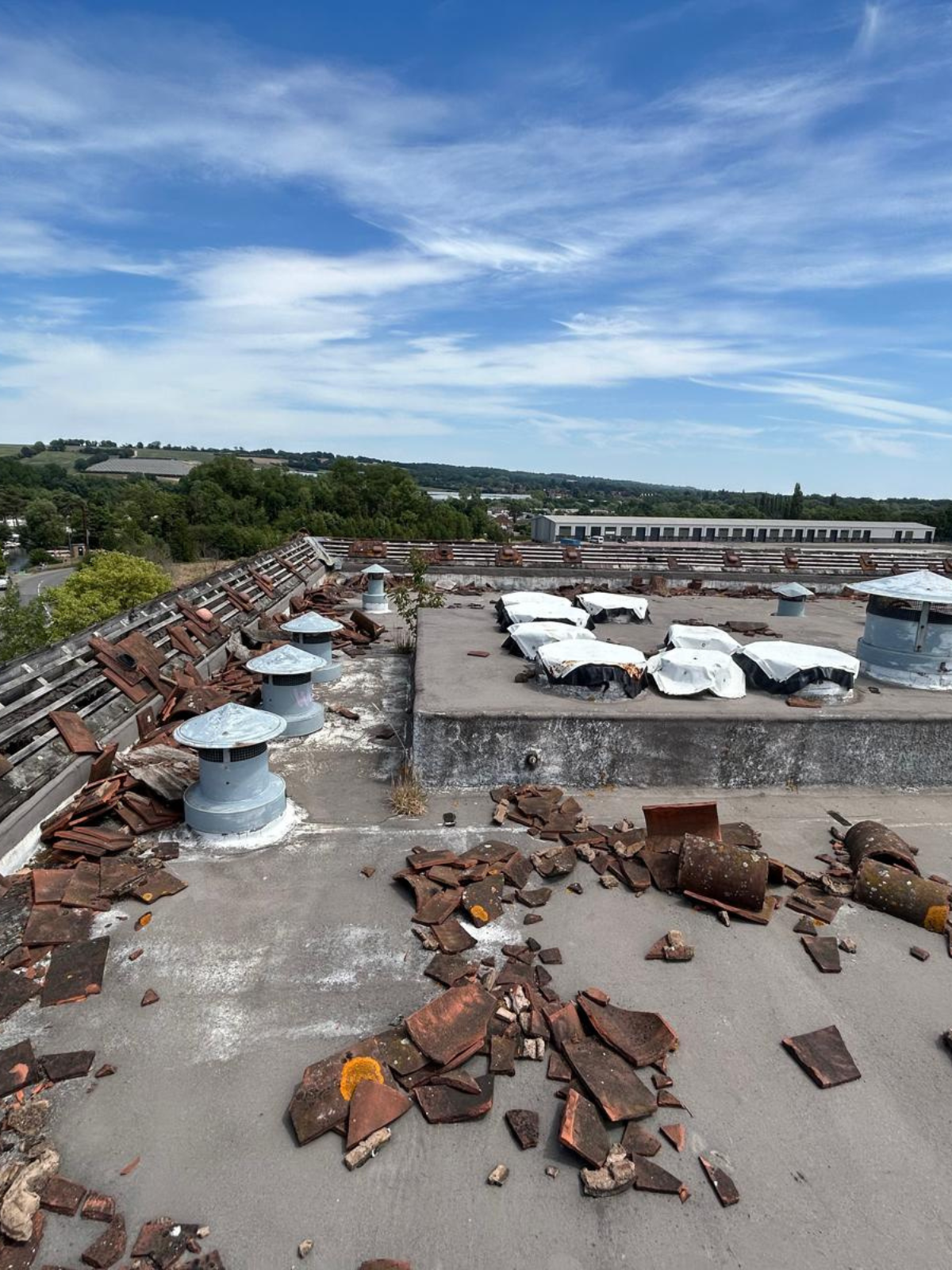
When we arrived on site, the scale of the damage was unbelievable…
- Tiles had been ripped away.
- Sections of the roof had been pulled apart.
- Lead had been stripped from vulnerable areas across the building.
And because the roof had been left exposed, water ingress had already started causing additional internal problems. The thieves had even dumped stripped vehicles and rubbish on the property. The entire site had effectively been trashed.
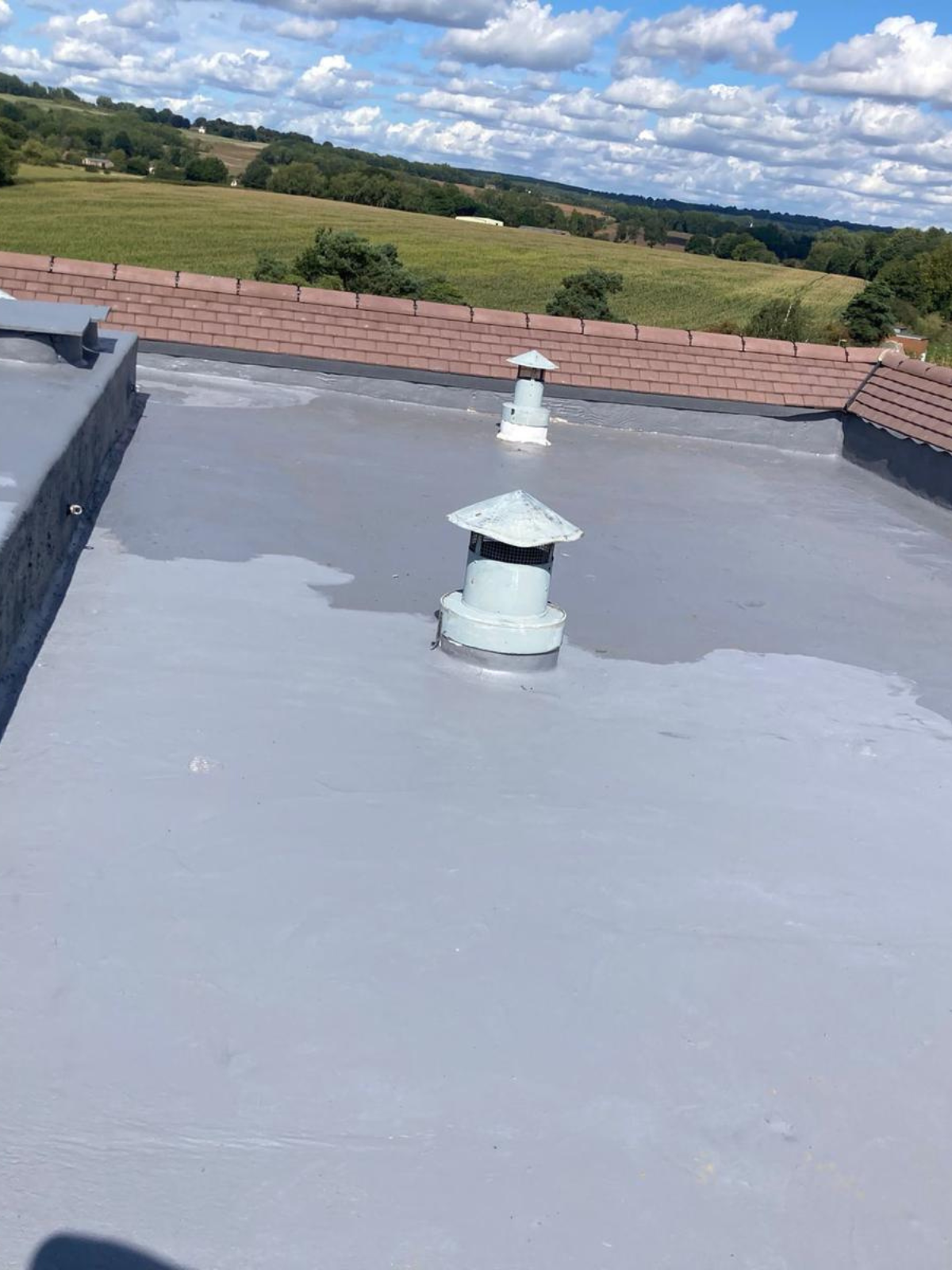
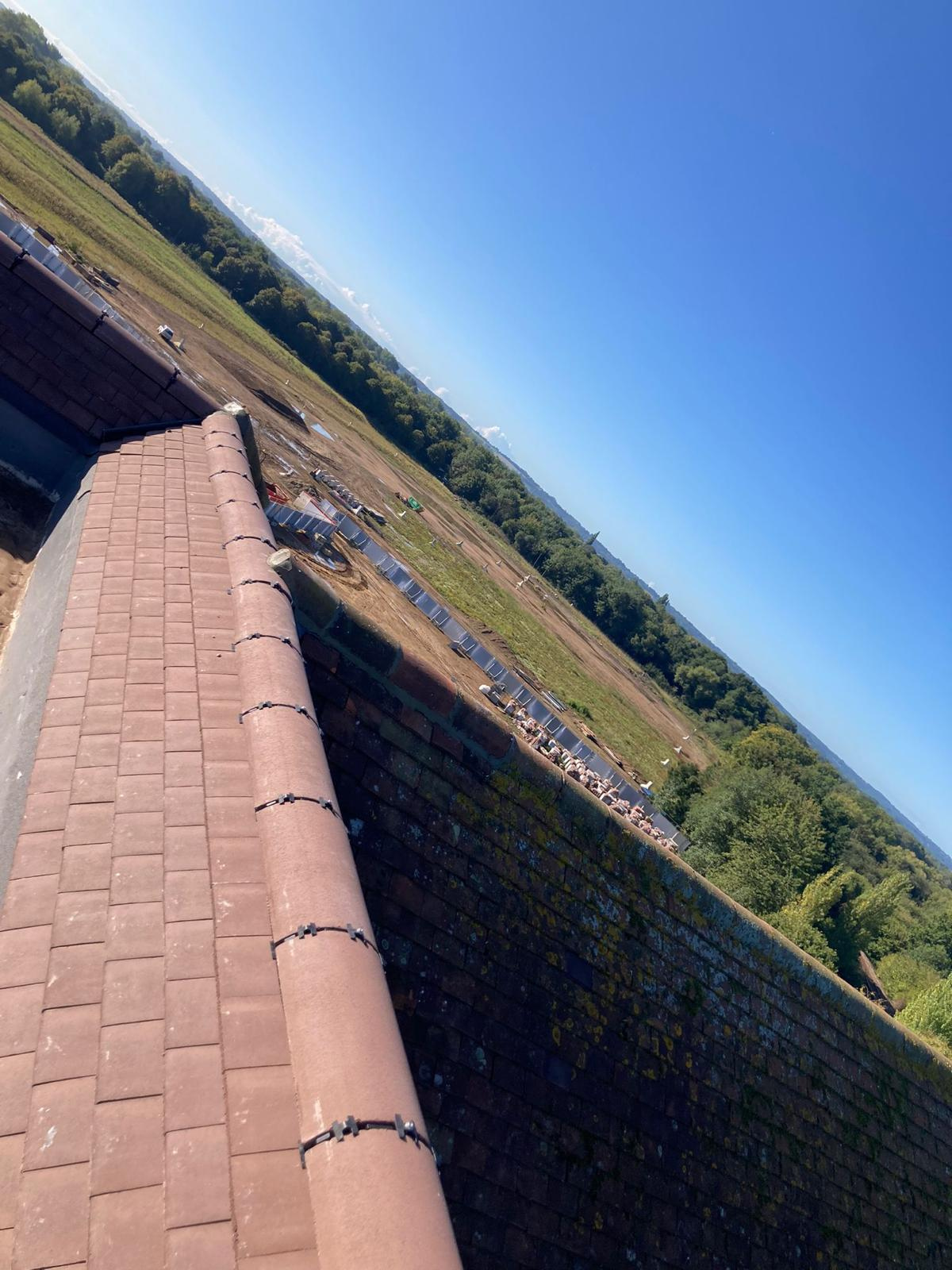
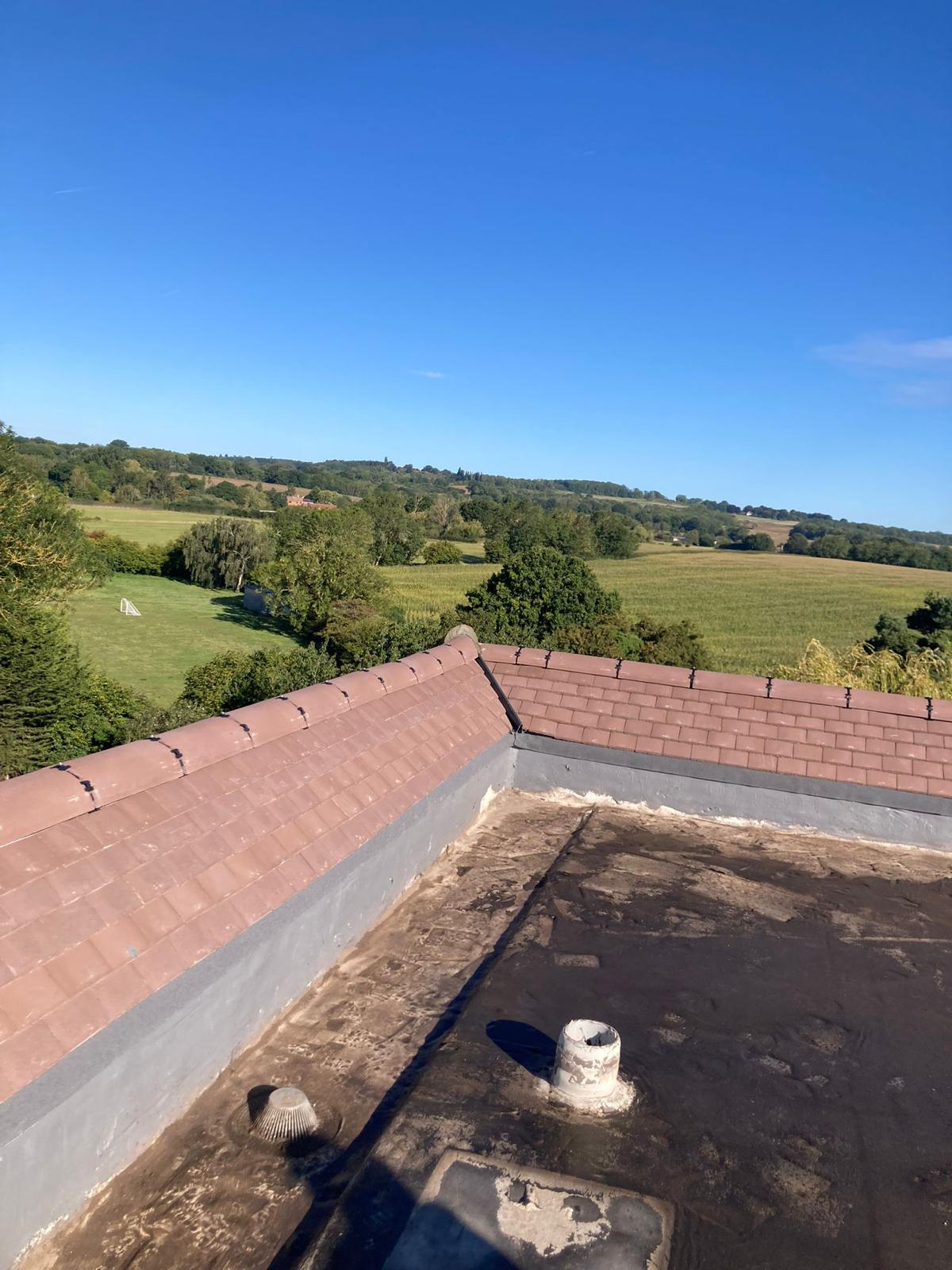
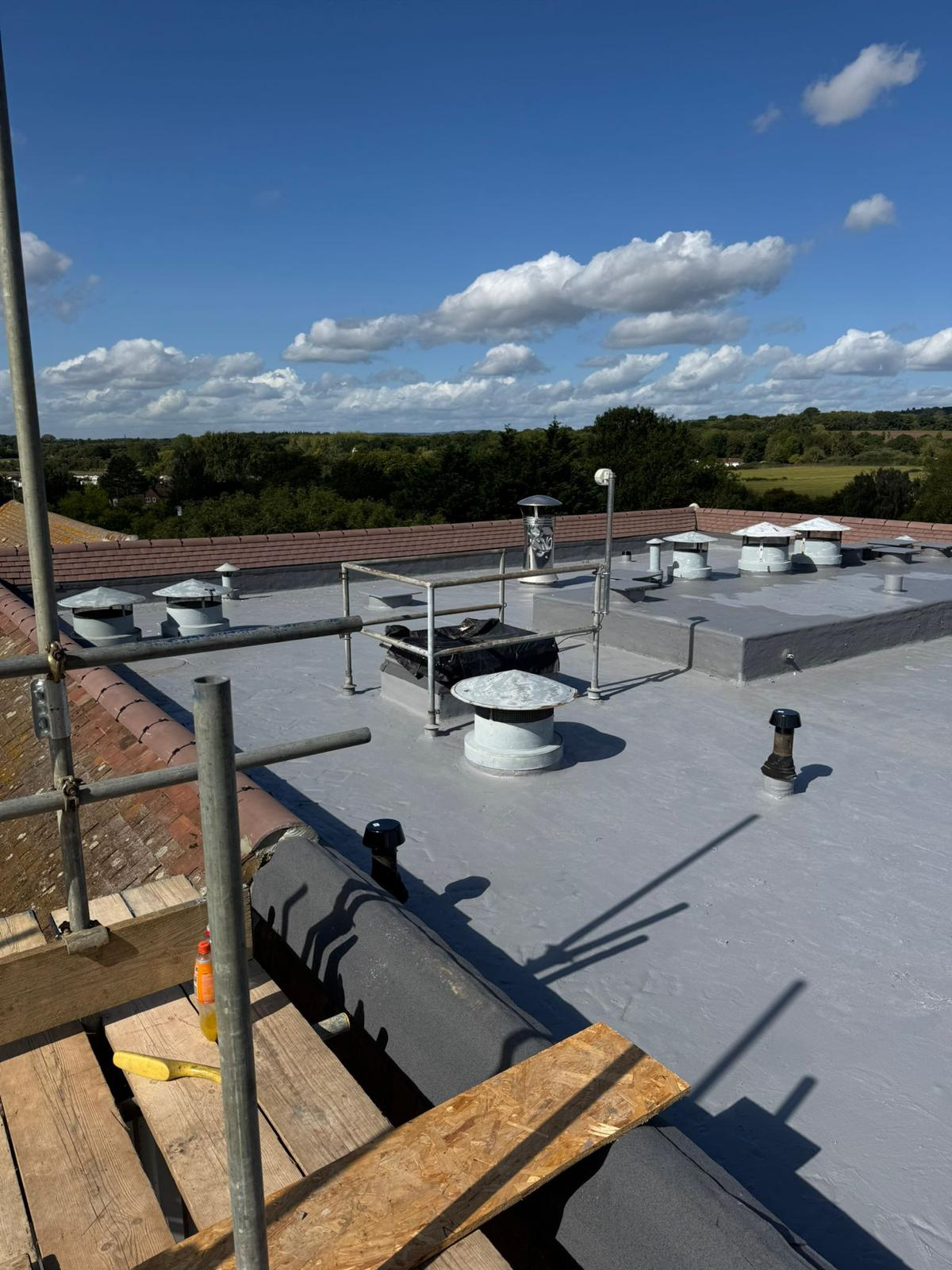
AFTER
What shocked me most was the level of risk involved. This was a huge multi-storey building. To remove the lead, they’d climbed onto the roof and hung over the edges of the structure.
Honestly, if one of them had fallen, they’d likely have been killed, and all for material worth a fraction of the damage caused.
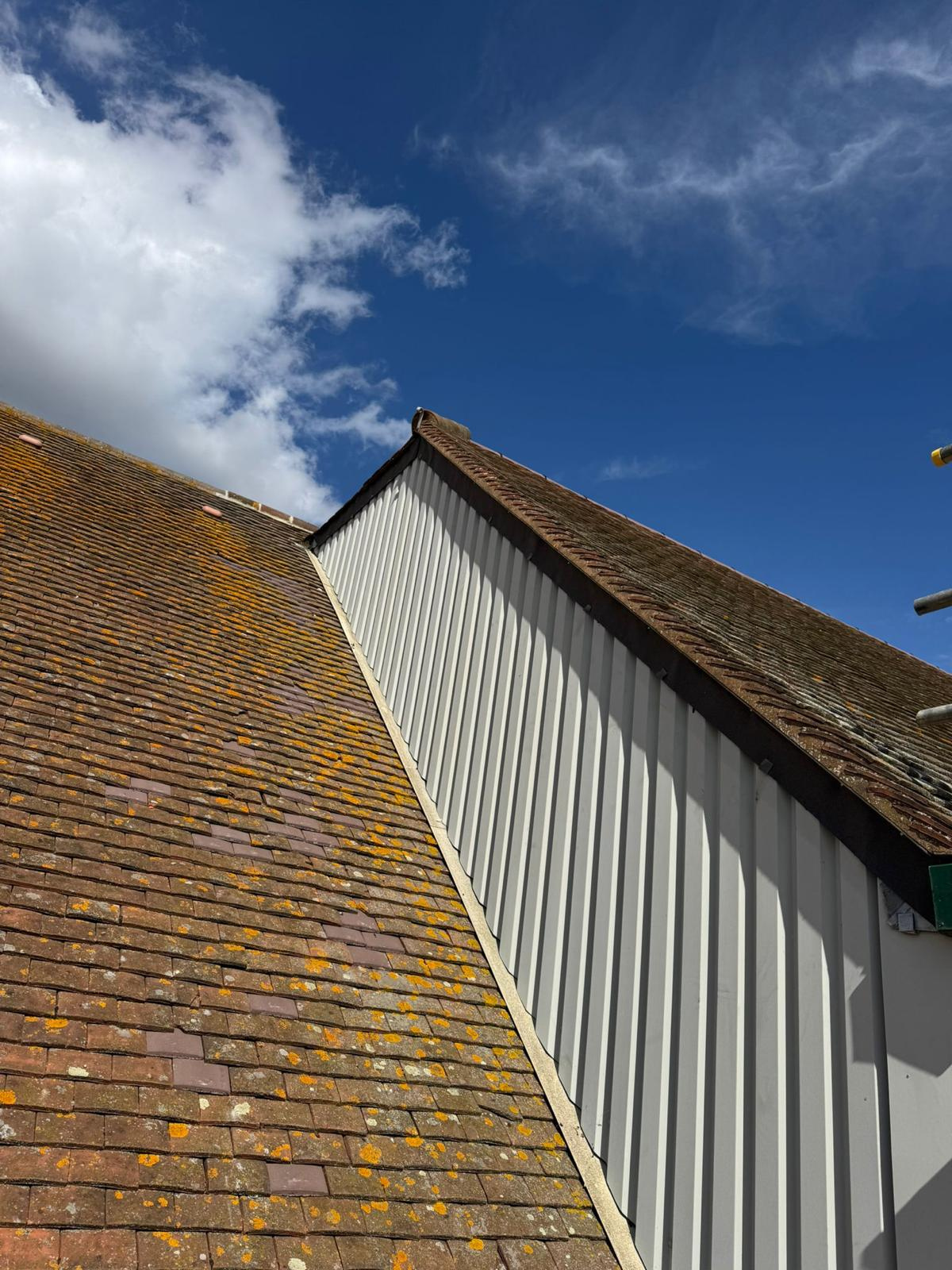
In total, the repair work cost around £20,000 just to restore the roof externally. That’s before accounting for internal damage. Because the building had been left open for weeks, pigeons had got inside in huge numbers, and the contamination and clean-up work internally became another major issue entirely.
AFTER
The Real Cost of Lead Theft
A lot of people assume lead theft is just about replacing missing material. In reality, the secondary damage is usually the bigger problem.
Once roofing systems are opened up, properties become vulnerable to:
- water damage
- collapsed ceilings
- damaged insulation
- mould growth
- electrical issues
- structural timber decay
- pest and pigeon infestations
- Projects get delayed.
- Insurance claims become complicated.
- Buildings can become unsafe.
- And in some cases, entire sections of roofing need rebuilding.
Is Lead Theft Increasing?
From our experience, lead theft itself has remained fairly consistent over the years. What has increased is opportunistic crime generally. For example, we’ve seen a noticeable rise in van break-ins to our vans at McColloch’s, as well as van and tool thefts across the South East.
And when it comes to roofing materials, vacant buildings remain the biggest target. Particularly across parts of Kent and South East London. If a building looks unoccupied or poorly secured, it naturally becomes more vulnerable.
How Property Owners Can Reduce the Risk
There’s no guaranteed way to stop lead theft completely. But there are ways to reduce the risk.
Improve Security
Simple measures like:
- security lighting
- CCTV
- perimeter fencing
- monitored alarms
- regular site visits
Consider Lead Alternatives
On many projects now, we recommend products like UbiFlex instead of traditional lead.
UbiFlex is a synthetic lead replacement material that performs extremely well but has no scrap value. From ground level it still looks professional and neat, but to thieves, it’s worthless.
That immediately removes the incentive. We increasingly use it on vulnerable buildings or areas where theft has previously occurred.
Don’t Ignore Small Signs of Damage
One thing property owners sometimes overlook is minor roof disturbance…a slipped tile, a small exposed section, or some loose flashing. Those issues can quickly escalate once water gets in, particularly after theft.
The earlier roofing damage is secured, the lower the long-term repair costs tend to be.
Why Fast Action Matters
One of the biggest problems after lead theft is delay. The longer a roof is left exposed, the worse the damage becomes. In the Maidstone case, water ingress and pigeon infestation became major secondary issues because the building remained open.
By the time repairs begin, the problem often extends far beyond the roof itself. That’s why our first priority on theft-related jobs is always making the building weatherproof and secure.
Only then can proper repair work begin.
Lead theft is one of those problems most property owners never expect to deal with. Until it happens. And unfortunately, by the time many people realise there’s an issue, significant damage has already been done. The good news is that there are ways to reduce the risk and limit the impact. Whether that’s improving security, switching to alternative materials or simply responding quickly when damage occurs, proactive action makes a huge difference.
At McColloch Roofing, we regularly help homeowners, commercial property owners and developers across Kent and South East London repair and secure roofs after theft and vandalism.
And if there’s one thing I’d encourage property owners to do, it’s this: Don’t underestimate how quickly small roofing issues can become major structural problems once a roof is exposed.
Check out our gallery if you’d like to see examples of the work we’ve recently carried out and follow our Facebook page or our Instagram to keep abreast of the projects the team are working on weekly.
